
Blog · Care & storage · September 12, 2026
Please don't clean your coins
The single most expensive mistake people make before selling a collection, why it happens, and what to do instead.
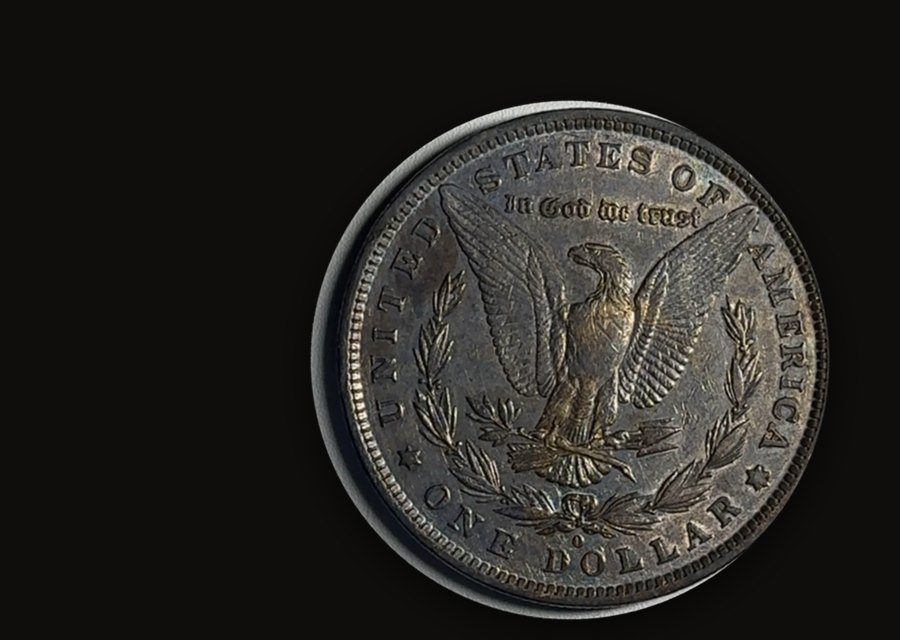
Every week somebody brings us a coin that used to be worth real money. You can see it in the fields: a haze of fine parallel scratches, a surface that shines the way a coin never shines on its own, and a look that every dealer in the country recognises from across the room. Somebody wanted it to look nice before selling it. It cost them most of the value.
Why cleaning destroys value
A coin’s surface is the record of its life. When it left the mint it had a particular texture, called lustre, made of microscopic flow lines left by the metal moving under the die. Over decades that surface picks up a thin layer of tarnish, which collectors call toning. Both of those are what a collector is paying for.
Cleaning strips them. Silver polish, baking soda, a pencil eraser, a toothbrush, lemon juice, Coke, the little tumbling machine somebody saw on television: all of them take the top layer off the metal. The lustre goes with it, and what’s left is a bright, dead surface with a fine web of hairlines. It cannot be put back. There is no product, no dip, no trick that restores an original surface once it’s gone.
The grading services will still slab a cleaned coin, but the holder says Cleaned on it, and the price drops by half at best. On better coins it’s a tenth. A common-date silver dollar that would have brought sixty or seventy dollars with original surfaces sells for melt once it’s been polished, and the difference between those two numbers is the whole reason you’d sell to a collector instead of a refiner.
“But it was so dirty”
Dirty is fine. Dark is fine. Ugly is fine. A coin that has sat in a drawer for eighty years and gone the colour of a stove pipe is exactly what a collector wants, because that colour proves nobody has touched it. Dealers have a word for a dark, untouched coin: original. It is a compliment, and it carries a premium.
Some of the most valuable coins we’ve handled this year came out of an estate lot that had sat in a barn for decades. They’re covered in colour. They are worth several times what a bright, cleaned example of the same date would bring, precisely because nobody ever cleaned them.
What you can safely do
Almost nothing, and that’s the point. If a coin has loose dirt on it, you can rinse it in distilled water and pat it dry with a soft cloth, no rubbing. If it has tape residue or PVC damage (a green, sticky film from old plastic flips), stop and ask someone before you touch it, because that is one of the few cases where a professional conservation service is worth the money.
Everything else, leave alone. Put the coins in inert holders, keep them dry, and bring them to us as they are. We’d rather see the dust.
If you already cleaned them
Don’t feel too bad. It’s the most common thing we see, and it usually comes from good intentions. Bring them anyway. Silver is silver, and some cleaned coins still carry value for the date or the type. We’ll tell you straight which is which, and it costs nothing to ask.
Coin & Co Numismatics, Kingston, Ontario. We buy, sell and value coins, and we photograph everything ourselves, unedited.